
Most recent guides for parents focus on practical, research-backed advice that helps families navigate modern parenting challenges with confidence. These guides prioritize emotional connection, consistency, and real-life strategies parents can apply immediately.
Raising children today looks very different from even a decade ago. Technology, emotional awareness, and changing family dynamics have reshaped how parents approach discipline, learning, and connection. That is why the most recent guides for parents emphasize balance rather than perfection, offering clear frameworks instead of overwhelming rules.
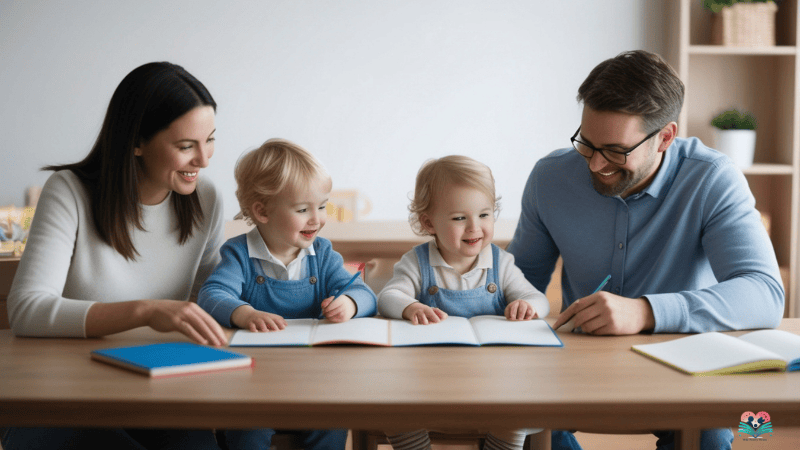
Parenting advice has evolved significantly. Older approaches focused heavily on obedience and authority. Today, guidance centers on emotional intelligence, communication, and long-term development.
Modern parents are encouraged to guide rather than control. This shift exists because research shows children thrive when they feel safe, heard, and supported. Emotional regulation, empathy, and consistency now sit at the core of effective parenting strategies.
Another major change is accessibility. Parents no longer rely solely on books or pediatric visits. Digital platforms, online communities, and expert-backed blogs like MJ Family Reads allow parents to learn in real time and adapt quickly.
Children today face unique pressures, from screen exposure to social comparison. Parents need updated guidance that reflects these realities instead of outdated methods that no longer apply.
Many of these approaches align with evidence-based parenting guidance from pediatric experts, including recommendations published by the American Academy of Pediatrics, which emphasize emotional security and consistent caregiving as foundations for healthy child development.
The demand for modern parenting resources has grown rapidly. Families want advice that fits real life, not ideal scenarios.
Recent parenting guides avoid rigid rules. Instead, they focus on adaptable strategies that work across different personalities and family structures.
Parents want answers to questions like:
This is where modern guides excel. They prioritize tools parents can actually use.
Many recent guides draw from child psychology, neuroscience, and developmental research. These insights help parents understand not just what to do, but why it works.

Rather than overwhelming parents with endless lists, modern guides focus on a few core principles that drive healthy development.
Children learn best when they feel emotionally secure. Recent guides stress validating emotions without reinforcing negative behavior.
Predictable routines and clear expectations help children feel grounded. Consistency reduces anxiety and behavioral struggles.
Before addressing behavior, parents are encouraged to connect emotionally. This approach strengthens trust and improves long-term cooperation.
Parenting challenges are rarely theoretical. They happen during busy mornings, emotional evenings, and unexpected situations.
Recent guides break these moments down into manageable steps.
Instead of punishment-focused responses, modern advice teaches parents how to coach emotional regulation.
A great example is the Tantrum Tamer Method guide for parents, which emphasizes calm responses, emotional labeling, and consistency.
This approach helps children learn to process emotions instead of suppressing them.
Rather than banning screens entirely, modern guides focus on mindful usage. Parents learn how to set limits while maintaining trust. Many modern parenting strategies are also informed by child development milestones recommended by health professionals, such as those outlined by the Centers for Disease Control and Prevention, helping parents align expectations with each stage of growth.

| Aspect | Traditional Advice | Modern Parenting Guides |
| Discipline | Punishment-focused | Connection-focused |
| Communication | One-way authority | Two-way dialogue |
| Emotional Expression | Often discouraged | Encouraged and guided |
| Learning | Compliance-based | Development-based |
This comparison shows why many parents are shifting toward updated guidance. Modern approaches support both children and parents emotionally.
No single method works for every family. However, the best recent guides share common qualities.
They adapt to different family structures, cultures, and child personalities.
They avoid overcomplicated systems that lead to burnout.
Instead of quick fixes, they emphasize raising emotionally healthy adults.
Parents looking for trustworthy resources often explore curated collections and tools through platforms like the MJ Family Reads Shop, which focuses on family-centered learning and growth.
Many recent guides recognize that learning does not happen in isolation. Faith, values, and technology all shape how children grow.
Interactive tools like augmented reality Bible lessons for families show how modern education blends tradition with innovation. These resources help children stay engaged while reinforcing values at home.

Rather than long lists, modern guides focus on small, consistent actions.
| Parenting Situation | Practical Approach |
| Emotional Outbursts | Acknowledge feelings first |
| Defiance | Offer controlled choices |
| Routine Resistance | Use a predictable structure |
| Learning Struggles | Encourage curiosity, not pressure |
These examples show how guidance becomes actionable when applied consistently.
One overlooked benefit of recent parenting guides is how they support parents emotionally.
Parenting can feel isolating. Modern resources normalize struggles and remind parents that progress matters more than perfection.
Confidence grows when parents understand child behavior rather than reacting out of frustration.
The most recent guides for parents offer more than advice. They provide reassurance, clarity, and realistic strategies that fit modern family life. By focusing on emotional health, consistency, and connection, these guides help parents raise resilient, confident children while maintaining balance at home.
The best advice for parents is to prioritize connection over control. Children respond better when they feel emotionally safe and understood. This means listening before reacting, setting clear boundaries with empathy, and modeling calm behavior during stressful moments. Modern parenting guides emphasize that consistent emotional support builds trust, which leads to better communication and cooperation over time. Parenting is not about perfection, but about showing up with patience and intention every day.
The 7 C’s of parenting focus on competence, confidence, connection, character, contribution, coping, and control. These principles help parents guide children toward independence and emotional resilience. Instead of fixing every problem, parents are encouraged to coach skills that allow children to navigate challenges themselves. Recent parenting guides often reference these values because they support long-term development rather than short-term obedience.
Effective parenting advice centers on consistency, empathy, and guidance. Examples include setting routines, validating emotions, offering choices, modeling respectful communication, encouraging problem-solving, maintaining boundaries, staying calm during conflict, praising effort over results, limiting screen time thoughtfully, and practicing self-care. Modern guides stress that advice works best when adapted to each child’s personality and developmental stage.
The 7 7 7 rule of parenting encourages balance across stages of childhood. The first seven years focus on play and bonding, the next seven emphasize discipline and learning, and the final seven prioritize guidance and independence. Recent guides highlight this framework because it reminds parents that children’s needs evolve. Parenting strategies should shift as children grow, allowing autonomy while maintaining emotional support.
Ebooks on Parenting Strategies: 9 Best Effective Methods says:
[…] For additional practical advice, read our detailed guide on most recent guides for parents practical advice. […]