
Baby sleep cues by age help parents know exactly when their baby is ready for rest before overtiredness sets in. By watching age-specific signs like eye rubbing, slower movement, or fussiness, you can time naps and bedtime more effectively.
Understanding baby sleep cues by age is one of the simplest ways to improve sleep without strict schedules or sleep training stress.
Sleep struggles often start because babies miss their ideal sleep window. When that happens, cortisol rises, making it harder for them to fall asleep and stay asleep. The solution is not forcing schedules but learning how your baby communicates tiredness at each stage of development.
This guide explains why sleep cues matter, how they change as your baby grows, and which cues are most reliable at every age. You will also see how to pair cues with gentle routines, so sleep becomes predictable and calm.
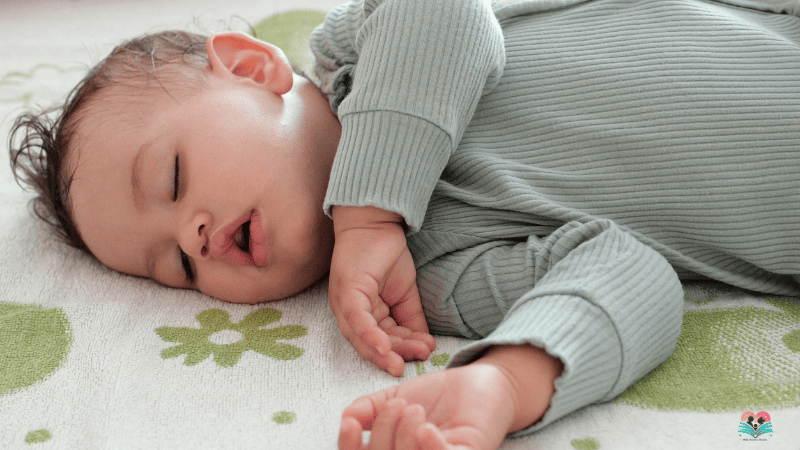
Babies are born with immature sleep systems. They cannot regulate sleep the way adults do. Sleep cues are their way of telling you their brain is ready for rest.
Babies do not get tired at the exact same time every day. Growth spurts, stimulation, and developmental leaps change their sleep needs. Sleep cues respond to real-time biology, not fixed rules.
When a baby stays awake too long:
Recognizing cues early helps babies fall asleep faster and sleep longer.
When babies stay awake too long, stress hormones rise and make it harder for them to fall and stay asleep, which aligns with AAP guidelines on infant sleep patterns from the American Academy of Pediatrics.
Early cues are calm and easy to miss. Late cues are loud and stressful. The goal is always to respond to early cues.
Newborns sleep 14–18 hours a day, but in short stretches. Their cues are subtle and fleeting.
Crying is a late cue at this stage.
Most newborns can only handle 45–60 minutes of awake time. Even changing a diaper or feeding counts as stimulation.
If your newborn suddenly becomes still or unfocused, start your soothing routine immediately.

At this age, babies become more alert and interactive. Sleep cues become slightly easier to spot, but can escalate quickly.
60–90 minutes, depending on the baby.
This is the age where overtiredness often begins. Parents mistake alertness for readiness to stay awake longer.
Lower stimulation at the first yawn. Dim lights, reduce noise, and begin your wind-down routine immediately.
This stage is a major transition. Babies become more mobile and curious, which can mask tiredness.
90–120 minutes.
As babies gain control over their bodies, they fight sleep even when tired. This makes cues appear later and stronger.
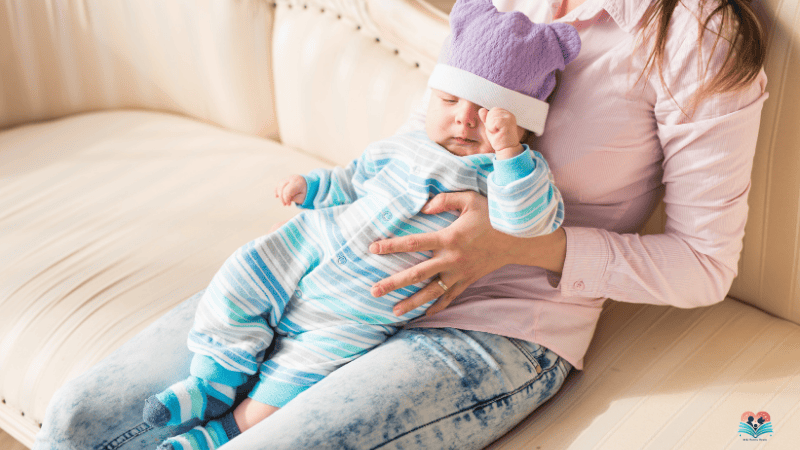
Separation awareness and mobility increase. Sleep cues become emotional as well as physical.
2–3 hours.
Emotional cues now matter just as much as physical ones. Sudden neediness is often tiredness, not hunger.
Babies at this age may resist naps despite being exhausted.
3–4 hours.
Babies appear energetic when overtired. This false energy leads to missed naps and bedtime battles.
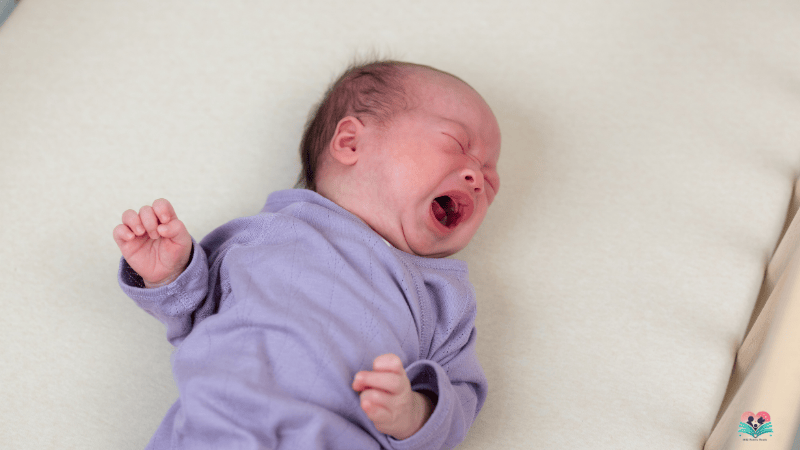
Toddlers fight sleep with determination. Cues are often behavioral rather than physical.
4–6 hours.
The brain loses regulation when overtired. What looks like attitude is often exhaustion.
This is similar to emotional overload patterns explained in the Tantrum Tamer Method guide for parents, where fatigue plays a major role in meltdowns.
At this stage, many toddlers drop naps, making cues even more important.
If bedtime becomes chaotic, bedtime is too late.
The emotional patterns here align closely with what is discussed in the Temper Tamers method to stop meltdowns fast, where sleep debt is a hidden trigger.
| Age Range | Early Sleep Cues | Late Sleep Cues |
| 0–2 months | Staring, red eyelids | Crying |
| 2–4 months | Yawning, fussing | Arching |
| 4–6 months | Eye rubbing | Screaming |
| 6–12 months | Clinginess | Meltdowns |
| 12+ months | Emotional outbursts | Full tantrums |
Early cues allow calm transitions and easier sleep onset.
Sleep cues shift as babies grow because their total sleep requirements change, which closely align with recommended sleep needs by age outlined by the National Sleep Foundation.
Act immediately. Waiting even 10 minutes can push your baby into overtired territory.
Eye changes, reduced engagement, and emotional shifts are more reliable than yawning alone.
Parents who struggle to spot cues often benefit from structured guidance and routines.
You can explore supportive parenting resources and sleep tools in the MJ Family Reads shop at
https://mjfamilyreads.com/shop/
For newborn-specific sleep understanding, the How to Help Newborn Sleep eBook Guide provides cue-based strategies without rigid schedules:
https://mjfamilyreads.com/product/how-to-help-newborn-sleep-ebook-guide/
| Age | Best Cue to Watch | Common Mistake |
| Newborn | Stillness | Waiting for crying |
| 3–6 months | Eye rubbing | Overstimulation |
| 6–12 months | Emotional clinginess | Misreading hunger |
| Toddler | Tantrums | Assuming a behavior issue |
Understanding baby sleep cues by age removes guesswork from sleep. Instead of forcing routines, you learn to respond to your child’s biology. When cues are respected early, sleep becomes calmer, longer, and more restorative for everyone.
By trusting cues over the clock and adjusting expectations as your child grows, baby sleep cues by age become one of the most powerful tools in your parenting toolkit.
The 5 3 3 rule refers to structured nighttime sleep intervals rather than daytime cues. It suggests babies may wake every five hours, then three, then three again overnight. While helpful for managing expectations, it does not replace watching sleep cues. Babies who miss daytime cues often wake more frequently at night, regardless of the rule. Sleep cues should guide naps, which directly influence nighttime stretches.
The 2/3/4 rule is a nap spacing guideline based on awake windows. It suggests two hours awake before the first nap, three before the second, and four before bedtime. While useful, it should always be adjusted based on sleep cues. If a baby shows tired signs earlier, following cues prevents overtiredness better than rigid timing.
Baby sleep cues include physical, emotional, and behavioral signs of tiredness. These range from eye rubbing and yawning to clinginess and meltdowns. Early cues are subtle and calm, while late cues involve crying or hyperactivity. Responding to early cues helps babies fall asleep faster and stay asleep longer.
The 5 8 5 rule refers to feeding and sleep spacing rather than cues. It suggests a five-hour sleep, an eight-hour feeding rhythm, and a five-hour sleep again. While some parents find it helpful, it should never override sleep cues. Babies vary widely, and cue-based sleep remains the most biologically supportive approach.