
How to read baby sleep cues starts with observing early signs like yawning, staring off, or reduced activity before your baby becomes overtired. Catching these signals early helps your baby fall asleep faster and stay asleep longer.
Many parents miss these subtle cues, which leads to fussiness and sleep struggles. This guide will help you understand exactly what to look for, why it matters, and how to respond the right way.
Baby sleep cues are physical and behavioral signs that indicate your baby is getting tired. These cues happen in stages, from early to late, and recognizing them early makes a huge difference in sleep success.
Unlike adults, babies cannot push through tiredness. Once they pass the ideal window, they often become overtired, making it harder for them to settle down.

Understanding the difference is key to mastering how to read baby sleep cues.
| Cue Type | Signs | What It Means |
| Early Cues | Yawning, staring, slower movement | Best time to start sleep routine |
| Mid Cues | Eye rubbing, mild fussiness | You should act quickly |
| Late Cues | Crying, arching back | Baby is overtired |
👉 The earlier you respond, the easier sleep becomes.
When you learn how to read baby sleep cues, you prevent one of the biggest parenting struggles, which is overtiredness.
Overtired babies release stress hormones like cortisol, making it harder for them to fall asleep and stay asleep. This is why some babies seem “wired but tired.”
According to the baby sleep patterns and recommendations from the American Academy of Pediatrics, consistent sleep routines and recognizing early tired signs play a key role in healthy infant sleep.
✔ Easier bedtime routines
✔ Longer naps and night sleep
✔ Less crying and fussiness
✔ Better mood and development
Missing these cues often leads to bedtime battles, which many parents confuse with behavioral issues. If you’re dealing with this, you may also benefit from reading how to stop temper tantrums: 10 proven strategies.
Understanding the “why” makes it easier to apply the “how.”
Babies have immature nervous systems. They rely on external support to regulate sleep. When they get tired, their brain starts sending signals through behavior rather than words.
If those signals are ignored, stress hormones increase, making sleep harder.
✔ Melatonin (sleep hormone) rises naturally
✔ Baby is calm and ready for sleep
✔ Less resistance to being put down
❌ Increased cortisol
❌ Overstimulation
❌ Crying and resistance
👉 This is why timing matters more than technique.
Every baby is different, but most follow similar patterns. The key is consistency in observation.
✔ Yawning
✔ Rubbing eyes
✔ Red eyebrows or eyelids
✔ Slower movements
✔ Staring into space
✔ Losing interest in toys
✔ Becoming quiet or clingy
✔ Mild fussiness

This is where many parents struggle. Early cues can be very quiet and easy to overlook.
✔ Sudden stillness during play
✔ Turning head away from stimulation
✔ Slight drop in energy
✔ Brief eye glazing
These signs often appear before yawning. Recognizing them gives you a major advantage.
👉 This is especially helpful for babies who skip obvious cues.
Learning how to read baby sleep cues becomes easier when you follow a simple system.
Track when your baby naturally gets sleepy. Most babies follow wake windows depending on age.
Do not wait for crying. The moment you see yawning or zoning out, prepare for sleep.
Start your sleep routine immediately:
✔ Dimming lights
✔ Swaddling
✔ Feeding
✔ Gentle rocking
Consistency helps your baby associate cues with sleep.
Babies’ sleep cues and wake windows change as they grow.
| Age | Wake Window | Common Sleep Cues |
| Newborn | 45–90 mins | Yawning, staring |
| 3–6 months | 1.5–2.5 hrs | Eye rubbing, fussiness |
| 6–12 months | 2–4 hrs | Clinginess, quietness |
👉 Knowing this helps you anticipate cues before they even appear.
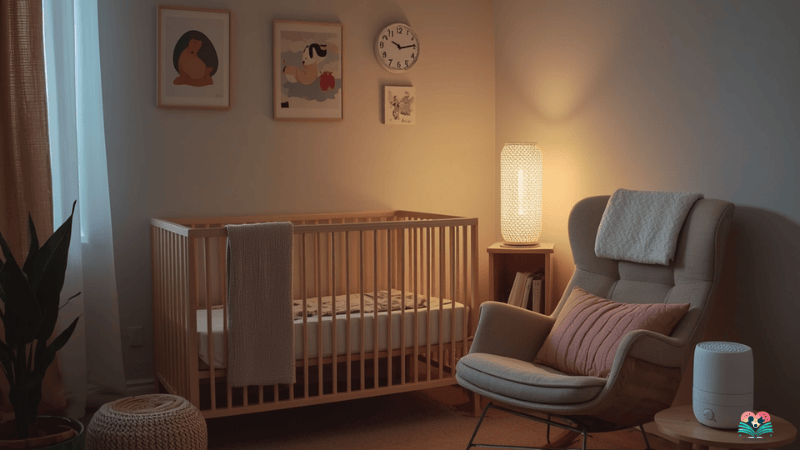
Your baby’s environment plays a huge role in how clearly sleep cues show.
❌ Loud noise
❌ Bright lights
❌ Too many people
❌ Constant activity
These can mask sleep cues, making your baby appear alert even when tired.
✔ Dim lighting
✔ Calm sounds or white noise
✔ Minimal distractions
✔ Consistent routine
Even attentive parents can struggle with this.
❌ Waiting for crying
❌ Overstimulation
❌ Misreading cues as hunger
❌ Inconsistent routines
If you’re working on a calm parenting approach, this guide pairs well with
parenting without punishment: 8 proven ways.
While observation is key, tools can support your routine.
| Tool | Benefit |
| Sleep tracker | Identifies patterns |
| White noise | Helps baby settle |
| Blackout curtains | Improves sleep quality |
| Routine guide | Builds consistency |
👉 For a deeper breakdown, check: How to stop early sleep cues.
Here’s where most parents improve quickly.
✔ Watch your baby, not just the clock
✔ Track patterns for 3–5 days
✔ Reduce stimulation before naps
✔ Create a consistent pre-sleep routine
If your baby yawns at 1 hour, but you wait too long, they may become overtired and harder to settle.
👉 Acting early leads to smoother sleep.
Recognizing overtiredness helps you adjust quickly.
✔ Intense crying
✔ Difficulty settling
✔ Short naps
✔ Frequent night waking

Mastering how to read baby sleep cues can completely transform your baby’s sleep and your daily routine. By noticing early signs and responding quickly, you avoid overtiredness and create a calmer, more predictable schedule.
With practice, you will naturally recognize your baby’s patterns and respond with confidence.
The 5-3-3 rule is a sleep pattern guideline that helps parents understand nighttime sleep stretches and feeding expectations. It usually means your baby sleeps for 5 hours, then 3 hours, then another 3 hours overnight. This helps parents set realistic expectations and reduces stress about frequent waking. While not all babies follow this exactly, it provides a helpful framework for understanding normal sleep development.
Reading sleepy cues means identifying early behavioral and physical signs before your baby becomes overtired. Look for subtle signals like staring off, slower movements, or yawning. Acting immediately when you notice these cues helps your baby fall asleep faster and more peacefully. Over time, you will recognize patterns unique to your baby, making sleep routines much easier to manage.
The 3 6 9 rule refers to developmental milestones where babies experience changes in sleep, behavior, and growth at 3, 6, and 9 months. These phases often bring shifts in sleep patterns, including regressions or longer sleep stretches. Understanding this helps parents adjust routines and expectations, reducing frustration and improving consistency in sleep habits.
The 10 5 3 2 1 rule is a structured bedtime routine that promotes better sleep by reducing stimulation before bedtime. It suggests stopping caffeine 10 hours before sleep, food 3 hours before, work 2 hours before, and screens 1 hour before bed. While designed for adults, parents can adapt it by creating a calm, low-stimulation environment for babies before sleep.
Baby Sleep Cues eBook: Learn Your Baby’s Tired Signs says:
[…] you want a deeper look at those early signs, this related guide on how to read baby sleep cues spot early signs pairs well with this topic and can help reinforce what to watch for in daily […]
Baby Sleep Cues for New Parents: Stop Overtired Fussing Fast says:
[…] 👉 If you want a deeper breakdown, check this guide on how to read baby sleep cues spot early signs. […]
How to Avoid Overtired Baby: Proven Tips for Better Sleep says:
[…] Instead of guessing, you can follow this detailed guide on sleep signals:👉 How to read baby sleep cues spot early signs […]