
Manage Your Energy Not Time is a productivity approach that focuses on protecting and directing your physical, mental, and emotional energy rather than simply scheduling tasks. By managing energy levels instead of hours, you can work more effectively, avoid burnout, and maintain consistent performance.
Most people believe productivity is about better calendars and tighter schedules. The truth is that productivity depends more on how energized you feel while doing the work. When your energy is low, even simple tasks become difficult. When it is high, you can accomplish complex work quickly and creatively.
This guide explains why energy management matters, how it works, and which strategies help you apply it effectively in everyday life.
Traditional productivity advice focuses heavily on time management techniques such as scheduling, prioritizing tasks, and minimizing distractions. While those methods can help, they ignore an important factor: your energy capacity during those hours.
The idea that productivity depends more on energy than time has been widely studied. Research discussed in research on why managing energy improves performance explains that people achieve better results when they align work with their natural energy cycles instead of forcing productivity through rigid schedules.
Two people may have the same eight hours available, but their results can be completely different. The person with higher energy levels will often achieve more in less time.
Energy drives:
Without sufficient energy, even the best schedule cannot prevent burnout.
Many professionals struggle because they treat every hour as equal. In reality, energy levels rise and fall throughout the day. Learning to recognize these cycles allows you to work with your natural rhythm instead of against it.
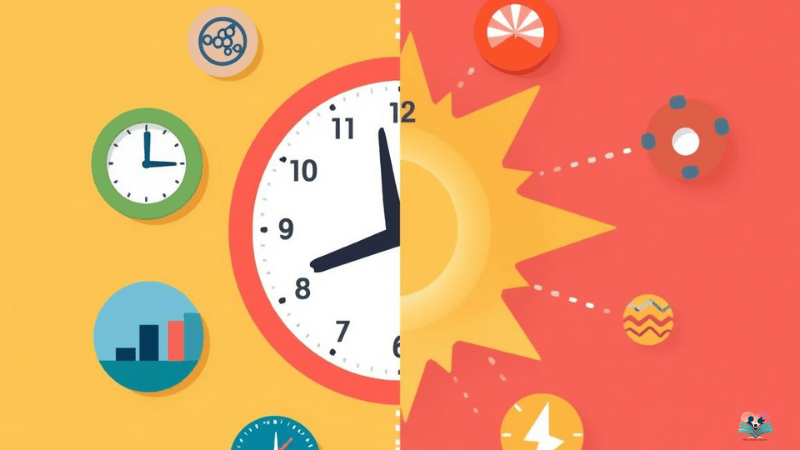
To Manage Your Energy Not Time means organizing work based on when you have the highest capacity to perform, rather than forcing tasks into fixed time slots.
Energy management focuses on four main types of energy:
| Energy Type | Description | Example |
| Physical Energy | Your body’s stamina and health | Sleep, nutrition, movement |
| Mental Energy | Your ability to concentrate and solve problems | Deep work, learning |
| Emotional Energy | Your mood and stress levels | Motivation, relationships |
| Creative Energy | Your ability to generate ideas | Brainstorming, innovation |
Each type of energy influences productivity in different ways. For example, creative work requires mental clarity and emotional calm, while routine tasks require less cognitive effort.
When you structure your day around energy patterns, work becomes more efficient and less exhausting.
Many people unknowingly operate in a time-focused system that drains their productivity. You might be stuck in this pattern if you experience the following:
This happens because time management alone does not replenish energy. You can schedule tasks perfectly, but still feel overwhelmed if your energy reserves are depleted.
If productivity feels forced rather than natural, it may be time to shift your focus toward energy management.
Human energy follows biological rhythms known as ultradian rhythms, which typically last 90–120 minutes. During these cycles, your brain moves through periods of peak focus and natural decline.
Trying to maintain intense concentration for long periods often leads to mental exhaustion. Instead, productivity improves when work sessions align with these natural cycles.
| Work Cycle Stage | Recommended Activity |
| Peak Energy | Deep work, problem solving |
| Moderate Energy | Meetings, planning |
| Low Energy | Emails, routine tasks |
| Recovery Phase | Breaks, movement |
This rhythm explains why short breaks can significantly improve performance. Rest periods allow the brain to recharge, restoring energy for the next focus cycle.
Shifting from time-based productivity to energy-based productivity requires a few intentional changes. The goal is not to work more hours but to maximize the value of the hours you already have.
Most people naturally experience peak energy in the morning or early afternoon. Tracking when you feel most alert helps determine the best time for complex tasks.
For example:
Recording energy levels for a few days can reveal patterns you may not have noticed before.
Instead of scheduling tasks purely by urgency, organize them based on the type of energy they require.
| Task Type | Best Energy Level |
| Strategic thinking | High energy |
| Creative writing | High energy |
| Meetings | Moderate energy |
| Emails | Low energy |
When tasks align with your energy capacity, productivity improves naturally without forcing concentration.

Recovery is a critical part of energy management. Continuous work without rest depletes mental and physical resources.
Short breaks every 90 minutes can:
Activities that support recovery include:
These small pauses can significantly improve overall productivity.
High-energy periods should be reserved for tasks that require deep thinking and creativity.
Avoid filling these hours with:
Instead, use them for focused work that creates the most value.
This principle is central to the energy management philosophy taught in many modern productivity systems.
If you want a deeper framework for protecting your energy and preventing burnout, consider exploring The Energy Bank Method.
Burnout often happens when people push through fatigue without allowing recovery. Over time, this depletes emotional and mental energy reserves.
Energy management prevents burnout by encouraging:
Instead of pushing harder, the focus becomes working smarter with the energy available.
This shift leads to more sustainable productivity over long periods.
For readers interested in building a healthier productivity system, exploring the full digital library may help you.
Different productivity systems focus on different aspects of work. Understanding their strengths can help you decide which method suits your lifestyle.
| Method | Focus | Best For |
| Time Blocking | Scheduling tasks by hour | Structured routines |
| Pomodoro Technique | Short timed sessions | Maintaining focus |
| Energy Management | Working with energy cycles | Sustainable productivity |
Among these approaches, energy management tends to be the most sustainable, especially for people dealing with high workloads or creative demands.
By learning to Manage Your Energy Not Time, productivity becomes more natural rather than forced.
Quality sleep is one of the most important factors affecting daily productivity. Research on how sleep affects productivity and mental performance shows that well-rested individuals perform better in problem solving, focus, and decision making.
Energy management works best when supported by healthy habits.
Some practical improvements include:
Small lifestyle changes often produce significant productivity improvements.
For more insights on sustainable productivity, this guide may help.
Learning to Manage Your Energy Not Time can transform the way you approach productivity. Instead of forcing work into rigid schedules, you align tasks with natural energy patterns.
This approach leads to better focus, higher quality work, and far less burnout over time.
When productivity strategies respect how the human brain actually works, success becomes more sustainable and enjoyable.
Managing your energy rather than your time means focusing on your physical, mental, and emotional capacity instead of just scheduling hours. Instead of forcing productivity through strict calendars, you organize tasks around periods when your energy is highest. This allows you to perform complex work during peak focus and reserve lower energy times for simpler tasks. Over time, this strategy reduces fatigue and helps maintain consistent productivity without burnout.
Managing energy instead of time starts with identifying your natural energy cycles throughout the day. Track when you feel most alert, focused, or creative. Schedule demanding tasks during those peak periods and place routine work during lower-energy hours. Supporting habits like proper sleep, hydration, movement, and regular breaks also help maintain high energy levels. Over time, this approach creates a more sustainable workflow than relying only on strict time schedules.
Managing your energy means consciously directing your physical, mental, and emotional resources toward the activities that matter most. Instead of pushing yourself to work continuously, you learn when to focus, when to recover, and how to protect your energy reserves. This approach encourages balance, helps prevent burnout, and improves productivity because you are working with your natural rhythms instead of constantly fighting fatigue.
The 3-3-3 method for managing time divides your day into three categories of work: three hours of deep work, three shorter tasks, and three maintenance activities. Deep work focuses on high-impact projects that require concentration. Shorter tasks include things like responding to emails or quick assignments. Maintenance tasks involve administrative duties that keep things organized. This method simplifies planning while ensuring you focus on meaningful progress each day.