
Parenting without punishment means guiding children through connection, communication, and clear boundaries instead of fear-based discipline. When parents focus on teaching rather than punishing, children learn responsibility, emotional control, and respect.
This approach builds stronger relationships and helps kids develop healthy behavior because they understand the reasons behind rules rather than simply avoiding punishment.

Parenting without punishment focuses on teaching behavior instead of controlling it through fear or consequences that cause shame. Instead of timeouts, yelling, or threats, parents guide children to understand their actions and how they affect others.
Many modern parenting experts describe this method as positive discipline, respectful parenting, or conscious parenting. While the names vary, the goal is the same. Children learn responsibility while maintaining a strong emotional connection with their parents.
Traditional discipline often relies on punishment to stop unwanted behavior quickly. While this may work in the moment, it does not always teach children how to behave better next time.
Parenting without punishment focuses on long-term learning.
Children are guided to recognize emotions, understand boundaries, and develop self-control.
For example, when a toddler throws toys, punishment might involve taking the toy away immediately or scolding. A punishment-free approach focuses on explaining why throwing toys can hurt someone and showing the child a safer way to play.
Over time, this builds emotional awareness and responsibility.
Parents who use this method often notice that their children cooperate more willingly because the relationship is based on trust rather than fear.
More parents today are choosing parenting without punishment because research shows that children learn better through connection and guidance.
When discipline focuses only on punishment, children may follow rules temporarily but fail to develop self-regulation skills.
Parents are discovering that calm communication and consistent boundaries create a more positive family environment.
More parents today are choosing parenting without punishment because research shows that children learn better through connection and guidance.
Research from Harvard research on child development and positive discipline explains that supportive relationships help children develop stronger emotional regulation and decision-making skills.
| Approach | Goal | Long-Term Result |
| Punishment | Stop behavior quickly | Fear, avoidance |
| Positive discipline | Teach behavior | Responsibility |
| Guidance and discussion | Build understanding | Emotional growth |
Punishment focuses on stopping behavior immediately.
Positive discipline focuses on teaching children why the behavior matters.
This difference may seem small, but it changes how children respond over time.
For example, when a child spills something intentionally, punishment might involve sending them to their room. A guidance-based approach encourages them to help clean it up and talk about why throwing things can create problems.
This teaches accountability rather than avoidance.
Parents who want to build calmer routines often explore resources like The Calm Parent Playbook, which explains practical ways to manage discipline challenges with confidence and empathy.
You can explore it here:
The Calm Parent Playbook eBook.

The key idea behind parenting without punishment is replacing control with guidance.
The key idea behind parenting without punishment is replacing control with guidance.
According to the American Academy of Pediatrics guidance on positive discipline, teaching children through consistent guidance and clear expectations is more effective than punishment for long-term behavior development.
This does not mean ignoring bad behavior. Instead, it means teaching children how to make better choices.
There are three important principles that make this approach effective.
Children are more cooperative when they feel understood.
When a parent reacts with anger, a child often becomes defensive or emotional. When a parent listens first, the child is more open to learning.
For example:
Instead of saying
“Stop crying right now.”
A parent might say
“I see you’re upset. Let’s figure out what happened.”
Acknowledging emotions helps children calm down faster.
Parenting without punishment does not mean letting children do whatever they want.
Children still need rules.
The difference is how those rules are enforced.
Instead of punishment, parents focus on natural consequences and teaching moments.
Example:
If a child refuses to put toys away, the toys may be unavailable until they are ready to take care of them properly.
This approach helps children understand responsibility without humiliation or fear.
Children are still learning how to manage big feelings.
Helping them label emotions such as anger, frustration, or disappointment teaches emotional intelligence.
Kids who learn these skills early often become more confident and cooperative later in life.
Many parents worry that parenting without punishment might mean losing control. In reality, it simply means handling situations differently.
Here are some common examples.
| Situation | Punishment Approach | Guidance Approach |
| Child hits sibling | Immediate punishment | Teach conflict resolution |
| Child refuses bedtime | Threat or yelling | Calm routine with boundaries |
| Child throws a tantrum | Timeout or scolding | Emotion coaching |
For example, if a toddler throws a tantrum in a store, punishment might involve yelling or threatening consequences.
A guidance approach focuses on helping the child regulate emotions while still maintaining boundaries.
If tantrums are common in your home, learning practical strategies can make a huge difference. You can read about 10 proven strategies for stopping temper tantrums.
These techniques help parents respond calmly even during challenging moments.
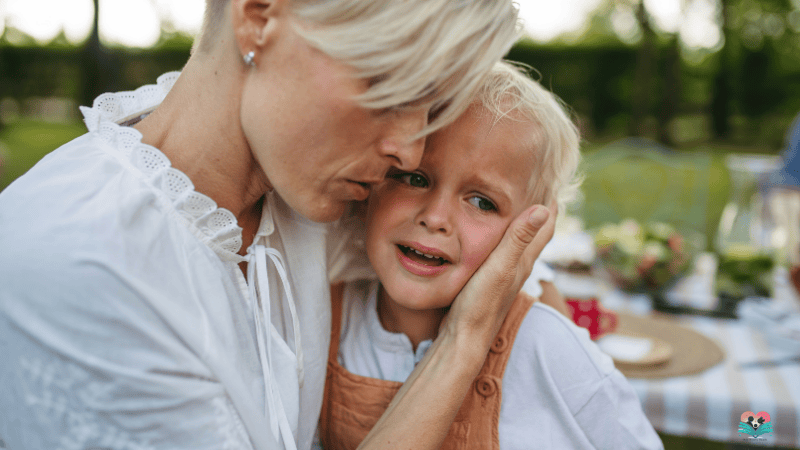
Not all parenting styles approach discipline the same way. Some rely heavily on strict rules, while others prioritize emotional connection.
Understanding these styles helps parents choose the approach that works best for their family.
| Parenting Style | Description | Discipline Method |
| Authoritarian | Strict rules, little flexibility | Punishment |
| Permissive | Few boundaries | Minimal discipline |
| Authoritative | Balanced guidance | Teaching and structure |
| Uninvolved | Low engagement | Inconsistent discipline |
Experts often consider authoritative parenting the most effective balance.
This style includes clear rules but also empathy and communication.
It aligns closely with parenting without punishment because children are guided rather than controlled.
Parents who want additional tools and routines can explore helpful resources in the parenting shop.
These guides provide practical strategies for creating calmer daily routines.
Parents do not need to change everything overnight.
Small shifts in communication and expectations can create meaningful improvements.
One helpful starting point is observing how children react to different responses.
When parents remain calm, children usually calm down faster as well.
Another useful strategy is preparing children for transitions.
For example, instead of suddenly ending playtime, giving a five-minute warning helps kids adjust.
Consistency is also important.
Children feel more secure when rules stay predictable.
When parents follow through calmly rather than emotionally, children learn boundaries more effectively.
Over time, families often notice fewer power struggles and more cooperation.
Moving from punishment-based discipline to guidance-based parenting can feel challenging at first.
Parents may worry that children will test limits more often.
However, with consistent responses, children usually adapt quickly.
Start by focusing on calm communication.
When children make mistakes, use the moment to teach rather than react.
Encourage problem solving.
Ask questions like:
“What could we do differently next time?”
This helps children think about solutions instead of fearing consequences.
Parents who practice this consistently often see improvements in behavior, emotional regulation, and family connection.

Parenting without punishment helps children develop emotional intelligence, responsibility, and trust. Instead of relying on fear or control, this approach focuses on guidance, connection, and clear boundaries.
When parents remain calm and consistent, children learn how their choices affect others and begin to regulate their own behavior.
Over time, parenting without punishment can transform everyday conflicts into opportunities for learning and growth, creating a more peaceful and supportive family environment.
Parenting without punishment means guiding behavior through communication, empathy, and clear boundaries rather than fear or shame. Instead of reacting with anger, parents focus on teaching children why certain behaviors are inappropriate and how to make better choices.
This approach includes acknowledging emotions, setting consistent expectations, and helping children understand natural consequences. Over time, kids learn responsibility and self-control because they understand the reasons behind rules rather than simply avoiding punishment.
The 7-7-7 parenting rule refers to the idea that children experience different developmental needs in three seven-year stages. The first seven years focus on emotional security and attachment, the next seven emphasize learning responsibility and social skills, and the final stage focuses on independence and decision-making.
Understanding these stages helps parents adjust their expectations and discipline strategies. When parents adapt their approach to each stage, children receive the support and structure they need to develop confidence and maturity.
The four main parenting styles are authoritarian, permissive, authoritative, and uninvolved. Each style reflects how parents balance rules, expectations, and emotional support.
Authoritarian parents enforce strict rules and often rely on punishment. Permissive parents offer warmth but few boundaries. Uninvolved parenting provides little guidance or support. Authoritative parenting balances structure with empathy, making it the style most commonly associated with healthy emotional development and respectful discipline.
Panda parenting is a parenting approach that encourages independence while providing gentle guidance and support. The term describes parents who allow children to explore, learn from mistakes, and solve problems on their own without constant interference.
Rather than controlling every decision, panda parents step back and let children build resilience and confidence. At the same time, they remain supportive and available when guidance is needed. This balanced approach helps children develop independence while maintaining a secure relationship with their parents.