
Stress management for high performers is about maintaining peak output without sacrificing mental clarity, health, or long-term performance. High achievers experience intense pressure, but the right systems help them perform consistently without burning out.
If you are driven, ambitious, and constantly pushing for more, this guide will show you how to manage stress strategically instead of reacting to it. Let’s break down what actually works.
High performers often carry heavier cognitive and emotional loads than average professionals. They are decision-makers, creators, leaders, or entrepreneurs who feel responsible for outcomes beyond themselves.
The problem is not ambition. The problem is unmanaged pressure. According to the American Psychological Association’s Stress in America survey, chronic stress significantly impacts cognitive performance, sleep quality, and emotional regulation.
High performers tend to:
✔ Set extremely high internal standards
✔ Overcommit to opportunities
✔ Tie identity to achievement
✔ Delay rest until “after the next milestone”
Over time, this creates chronic stress instead of productive tension.

Not all stress is bad. In fact, some stress enhances performance.
| Type of Stress | Effect on Performance | Long-Term Impact |
| Short-term challenge stress | Increases focus and energy | Neutral or positive |
| Chronic unmanaged stress | Mental fatigue and emotional reactivity | Burnout risk |
| Overcommitment stress | Reduced clarity and poor decisions | Performance decline |
High performers thrive under stress. The issue begins when stress becomes constant, and recovery disappears.
This is where stress management for high performers becomes essential. It is not about avoiding stress. It is about controlling its duration and intensity.
Many ambitious individuals believe they can outwork stress. But physiology does not negotiate.
Chronic stress leads to:
Ironically, the harder you push without recovery, the worse your performance becomes. Research published in Harvard Business Review confirms that extended work hours and chronic stress reduce productivity and decision quality over time.
If you have been trying to increase productivity while feeling constantly overwhelmed, read our guide on healthy productivity habits for long-term performance. It complements what you will learn here.
High-level performance requires intentional regulation. Here are the pillars that actually sustain results.
Most high achievers optimize schedules. Elite performers optimize energy.
Energy has four dimensions:
| Energy Type | How to Protect It | Practical Example |
| Physical | Sleep, hydration, movement | 7–8 hours sleep minimum |
| Emotional | Boundaries, emotional regulation | Limit draining meetings |
| Mental | Deep work blocks | 90-minute focus cycles |
| Spiritual | Purpose alignment | Clarify weekly priorities |
Time is fixed. Energy fluctuates. Sustainable performance depends on managing energy deliberately.
If you want a structured framework, explore The Energy Bank Method – Beat Burnout. It teaches how to treat energy like a financial system instead of an endless resource.
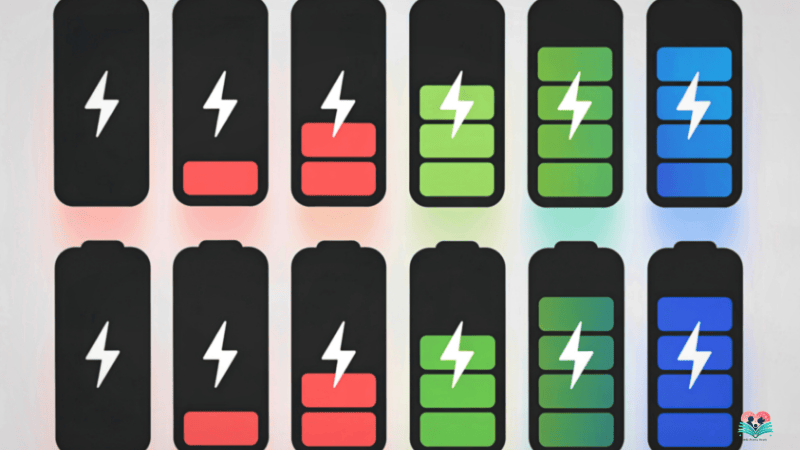
High performers often schedule work. They rarely schedule recovery.
Recovery is not passive scrolling or multitasking. It includes:
✔ Walking without devices
✔ Breathing resets between meetings
✔ Micro breaks every 60–90 minutes
✔ Full digital shutdown windows
Even 10-minute resets reduce cortisol levels significantly and improve clarity.
Without recovery, performance gradually declines while effort increases.
Elite achievers often carry too many open loops in their minds.
Stress intensifies when:
One powerful technique is daily mental unloading:
Clarity reduces stress more than motivation ever will.
If you want practical systems for working efficiently without overwhelm, see productivity without stress strategies.
High performers struggle with boundaries because they see opportunity everywhere.
But every “yes” increases stress load.
Strong boundary practices include:
✔ Limiting meetings to decision-critical sessions
✔ Blocking uninterrupted focus windows
✔ Protecting sleep as non-negotiable
✔ Saying no to low-leverage tasks
Boundaries are not selfish. They protect peak contribution.

When stress spikes, use the 3 3 3 rule:
This grounds your nervous system quickly. It interrupts rumination and re-centres attention in the present moment.
High performers benefit from short regulation tools because they often cannot step away for long periods.
The 5 A’s framework is especially effective for ambitious individuals:
| A | Meaning | Application for High Performers |
| Avoid | Eliminate unnecessary stressors | Remove low ROI commitments |
| Alter | Modify the stress trigger | Redesign workflow |
| Adapt | Shift perspective | Reframe failure as data |
| Accept | Stop resisting reality | Focus on controllables |
| Ask | Seek support | Delegate or consult mentors |
Notice how each step reduces cognitive strain instead of increasing effort.
High-level executives, athletes, and entrepreneurs often rely on:
✔ Breathwork protocols
✔ Structured reflection journaling
✔ Quarterly performance resets
✔ Strict sleep discipline
✔ Controlled exposure to high pressure
They understand something crucial: performance capacity must be maintained.
Burnout is not a badge of honor. It is a warning sign.

High performers often miss early warning signs. Watch for:
If these appear, do not increase effort. Reduce load.
Recalibration is not a weakness. It is strategic leadership over your own capacity.
Instead of random tactics, create a repeatable structure.
A simple weekly reset system:
When practiced consistently, this reduces cumulative stress significantly.
Stress management for high performers works best when it is proactive, not reactive.
Ambition without regulation leads to burnout. Ambition with structure leads to mastery.
High performers who last decades in their fields understand:
If you are serious about sustaining performance without burnout, explore our full range of performance and growth resources inside our personal development collection.
Stress management for high performers is not about lowering standards. It is about increasing sustainability.
When you manage energy, protect recovery, and eliminate unnecessary load, your output improves. You think more clearly, lead better, and perform longer.
Peak performance is not about pushing harder. It is about managing pressure intelligently.
High performers manage stress by regulating energy rather than simply working harder. They schedule recovery blocks, protect sleep, and reduce cognitive overload through structured planning. Many use systems such as journaling, breathwork, and workload audits to prevent chronic strain. Instead of reacting to stress after burnout appears, they proactively remove low-value commitments and maintain strong boundaries. This allows them to sustain high output without sacrificing clarity or long-term health.
The 3 3 3 rule is a grounding technique that reduces acute stress quickly. You identify three things you see, three sounds you hear, and move three parts of your body. This method shifts attention away from anxious thoughts and back to the present moment. For high performers who cannot step away from responsibilities for long, this quick reset helps calm the nervous system and restore focus within minutes.
The 5 A’s of stress management are Avoid, Alter, Adapt, Accept, and Ask. These principles guide individuals to remove unnecessary stressors, modify unavoidable pressures, adjust perspective, accept realities outside their control, and seek support when needed. For high performers, this framework prevents overwhelm by encouraging strategic decision-making instead of reactive effort. It transforms stress management into a structured and repeatable system.
Managing high levels of stress requires reducing load while increasing recovery. Begin by identifying commitments that can be delegated or eliminated. Prioritize sleep, hydration, and physical movement to regulate cortisol. Use grounding techniques like breathwork and structured planning to regain control over mental clutter. For sustained high performance, create weekly reset routines that balance ambition with recovery so stress never accumulates beyond healthy levels.