

Original price was: $17.97.$7.97Current price is: $7.97.
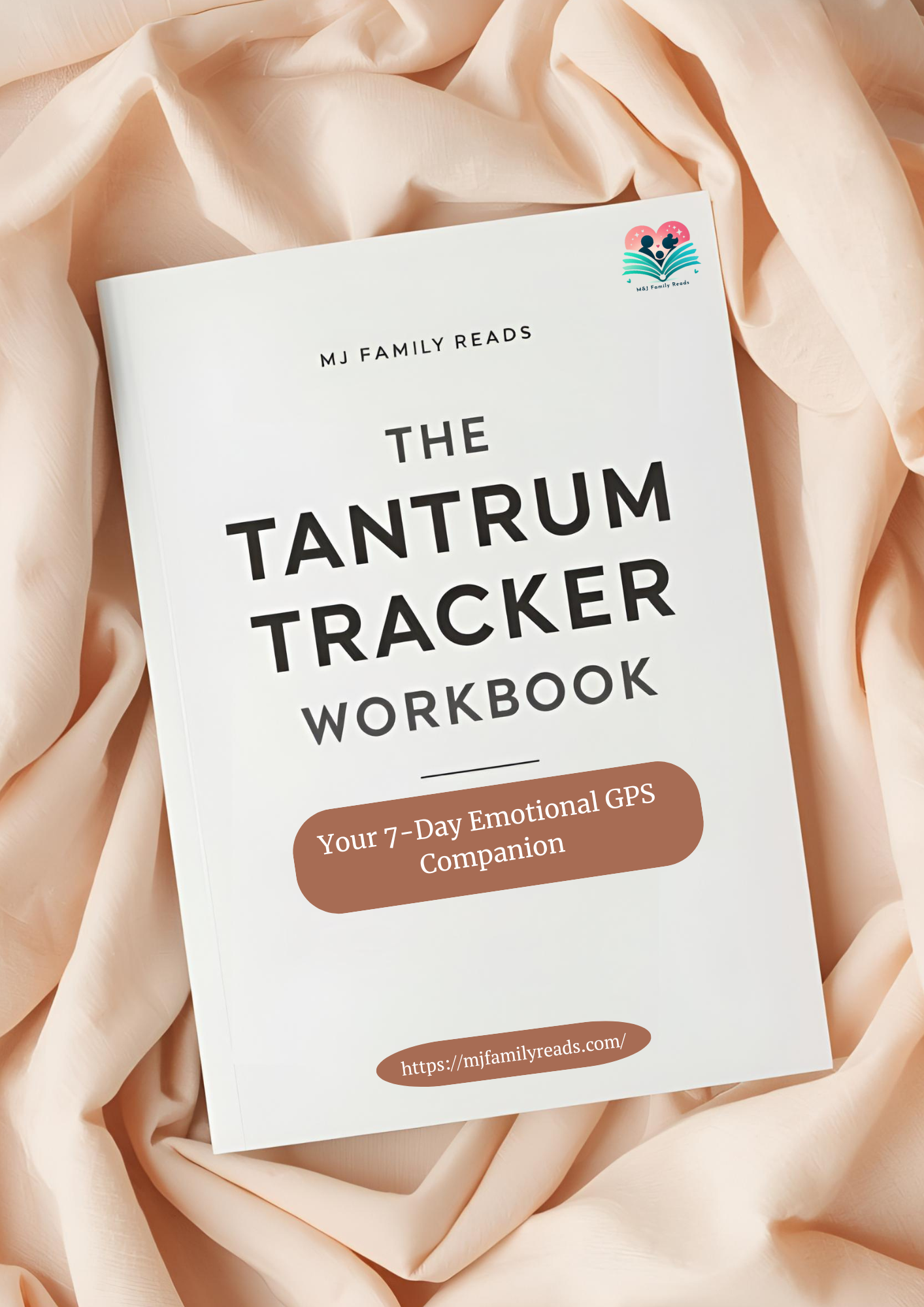
The Tantrum Tamer is your step-by-step guide to calming emotional outbursts using the simple, science-backed Emotional GPS Method.
Learn how to decode tantrum triggers, prevent meltdowns, and respond with calm confidence without yelling or second-guessing yourself.
Packed with practical scripts and real-life techniques, this guide helps you build emotional intelligence in your child and create a more peaceful, connected home.
👉 Download The Tantrum Tamer today and turn tantrums into teachable moments! 💛
The Tantrum Tamer is a calm, step-by-step approach that helps parents respond to toddler meltdowns without yelling or losing control. It focuses on understanding the cause, guiding emotions, and building long-term regulation skills.
If you are feeling overwhelmed by daily outbursts, this guide will show you exactly how to respond, why tantrums happen, and which strategies work best at every stage of development.

Tantrums are not signs of bad parenting. They are signs of a developing brain that is still learning how to regulate emotion. Toddlers feel frustration, disappointment, and exhaustion intensely, but they do not yet have the tools to manage those feelings.
The Tantrum Tamer approach teaches parents to shift from reaction to response. Instead of stopping the noise quickly, you focus on building emotional skills that reduce meltdowns over time.
When parents consistently respond with calm structure, children begin to feel safer. Safety reduces intensity. Predictability reduces fear. Over time, this dramatically lowers the frequency of explosive episodes.
If you want deeper behavioral breakdowns, explore our complete parenting resource hub on the MJ Family Reads homepage.
Understanding the root makes handling easier. Most tantrums stem from one of four core triggers:
Young children often lack the vocabulary to express feelings like “I’m overwhelmed” or “I need help.” Instead, those feelings explode physically.
According to child development milestones from the CDC, emotional regulation skills develop gradually between ages one and four, which explains why tantrums peak during this stage.
| Age Range | Common Trigger | Typical Behavior | Parent Focus |
| 1–2 years | Communication limits | Crying, dropping to the floor | Label feelings |
| 2–3 years | Independence battles | Screaming, kicking | Offer choices |
| 3–4 years | Boundary testing | Defiance, yelling | Stay consistent |
When you understand the developmental stage, your response becomes more strategic and less emotional.
For practical calming techniques tailored to toddlers, read our detailed guide on calming strategies for toddlers that actually work.
Here is the core framework that makes this approach effective.
Children borrow your nervous system. If you escalate, they escalate. Take one deep breath before speaking.
Kneel to eye level. Lower your voice. Slow your movements.
Calm is contagious.
Say:
“I see you’re really upset.”
“That feels frustrating.”
Validation does not mean agreement. It means acknowledgment.
After validation, repeat the rule:
“We are not buying candy today.”
“You may not hit.”
Short sentences work best. Avoid lectures during emotional storms.
Choices restore a child’s sense of power.
“You can walk to the car, or I can carry you.”
“Red cup or blue cup?”
Limited options reduce resistance.
Teaching only works when the brain is regulated. Later, you can say:
“Next time you feel mad, you can stomp your feet instead of throwing.”
If you want structured scripts for specific scenarios, visit our full guide on how to stop temper tantrums with proven strategies.

Different triggers require different tools. Not every meltdown needs the same solution.
| Situation | Best Strategy | Why It Works |
| Grocery store meltdown | Offer limited choices | Restores control |
| Bedtime refusal | Predictable routine | Reduces anxiety |
| Sibling conflict | Coach problem-solving | Builds social skills |
| Public embarrassment | Stay neutral, remove calmly | Avoids power struggle |
The key is flexibility. The Tantrum Tamer framework gives you structure, but you adapt based on context.
Time-outs can work when used calmly and consistently. However, using isolation as the only tool may increase shame or disconnect.
Children need co-regulation before self-regulation.
When you connect first and correct second, children internalize emotional skills faster. Over time, you will notice shorter tantrums and quicker recovery.
Parents who combine empathy with structure report improved behavior within weeks.

Stories allow children to see emotions safely. Characters experience anger, frustration, and disappointment in relatable ways.
Reading regularly strengthens vocabulary around feelings. It also creates bonding moments that reduce behavioral outbursts.
You can browse supportive parenting titles and emotional development books inside our parenting and children’s book collection.
When children see characters manage emotions, they begin to model those strategies themselves.
While tantrums are developmentally normal between ages 1 and 4, certain patterns may require evaluation.
Watch for:
If behavior interferes with daily functioning or relationships, consult a pediatrician or child development specialist.
Early support prevents long-term struggles. Parents can also review guidance from the American Academy of Pediatrics for additional signs that may require professional evaluation.

Parents who apply this approach consistently notice several shifts:
The real power of The Tantrum Tamer is not in stopping noise immediately. It is in building emotional resilience.
Children who feel understood become children who cooperate.
To make this realistic, here is a simple rollout:
Week 1: Focus on regulating yourself before responding
Week 2: Practice validation statements daily
Week 3: Add structured choices consistently
Week 4: Introduce calm-down teaching moments after incidents
Consistency creates change. Expect improvement over 4 to 6 weeks.
Tantrums are temporary. Emotional skills are permanent. The Tantrum Tamer helps you shift from survival mode to intentional parenting.
Instead of fearing meltdowns, you begin to see them as opportunities to teach regulation, communication, and resilience. With structure, empathy, and repetition, calmer days are absolutely possible.
If you want to strengthen your parenting toolkit even further, explore our curated resources on the MJ Family Reads platform and start building emotional intelligence at home today.
To tame a tantrum, you must regulate yourself first before guiding your child. When you stay calm, lower your voice, and validate their feelings, their nervous system begins to settle. Acknowledge the emotion, set a clear boundary, and offer limited choices. Avoid long explanations during peak emotion. Teaching happens after calm returns, not during the meltdown itself. Consistency with this structure reduces frequency over time.
Tantrums are developmentally typical between ages 1 and 4. After age five, extreme, frequent, or violent outbursts may require closer observation. Occasional frustration is normal at any age, but daily explosive behavior that interferes with school or relationships should be evaluated. Growth, communication ability, and emotional development vary, so patterns matter more than isolated incidents.
A more constructive phrase is “emotional outburst” or “big feelings moment.” These terms remove blame and focus on development. Language shapes perception. When parents reframe tantrums as skill-building opportunities rather than misbehavior, they respond more effectively. This shift reduces shame and encourages empathy-driven discipline.
The root cause of tantrums is emotional dysregulation combined with limited communication skills. Young children experience strong feelings but lack the neurological development to manage them independently. Hunger, fatigue, overstimulation, and frustration amplify reactions. When adults provide calm co-regulation and teach emotional vocabulary, children gradually develop self-regulation skills.

Reviews
There are no reviews yet.