

Original price was: $17.97.$7.97Current price is: $7.97.
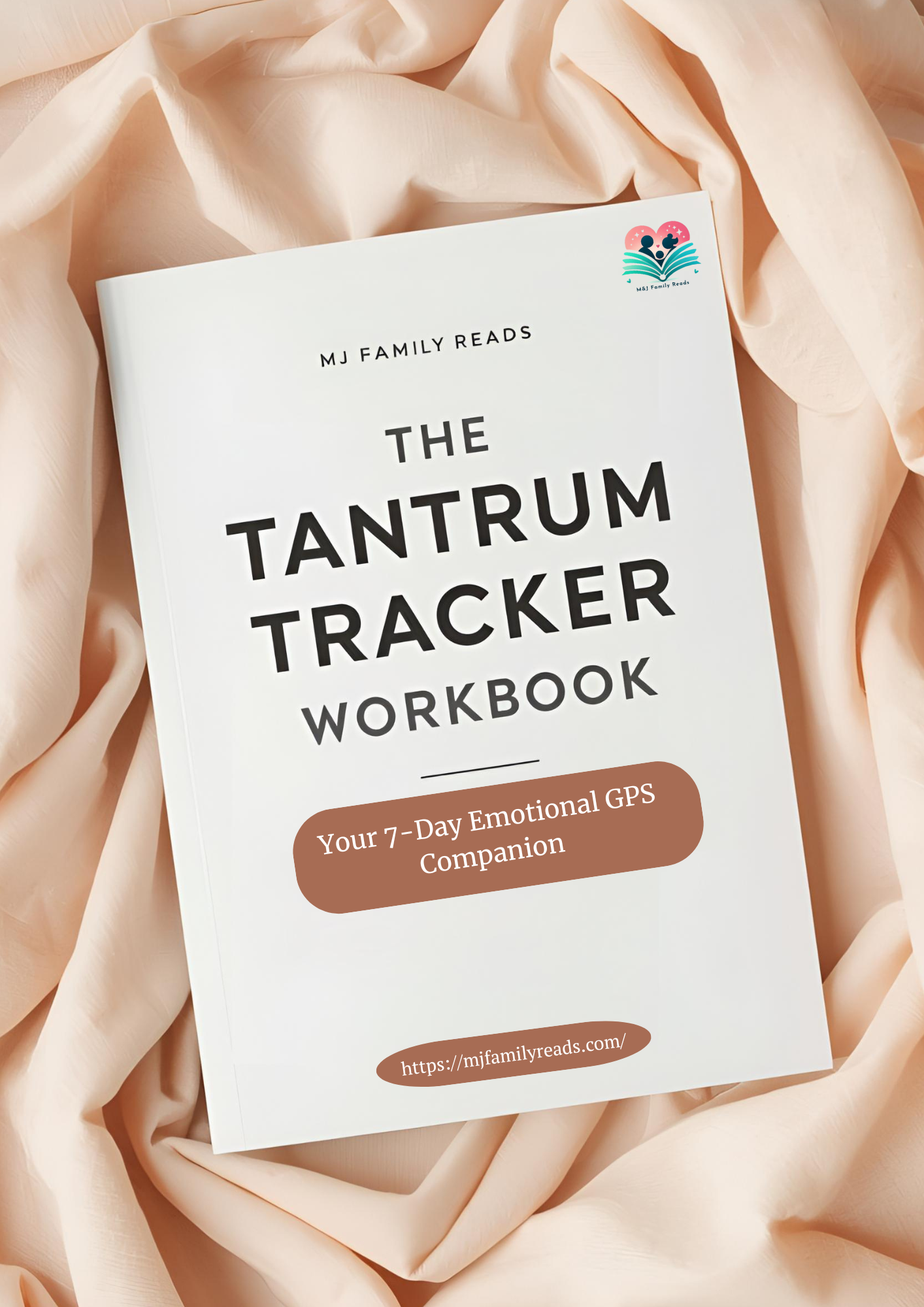
The Tantrum Tamer is your step-by-step guide to calming emotional outbursts using the simple, science-backed Emotional GPS Method.
Learn how to decode tantrum triggers, prevent meltdowns, and respond with calm confidence without yelling or second-guessing yourself.
Packed with practical scripts and real-life techniques, this guide helps you build emotional intelligence in your child and create a more peaceful, connected home.
👉 Download The Tantrum Tamer today and turn tantrums into teachable moments! 💛
The Tantrum Tamer is a practical parenting guide that helps you respond calmly to toddler tantrums, understand emotional triggers, and teach healthier coping skills.
Its simple 90-second response framework helps you take the first steps during a meltdown without yelling, threatening, or giving in. A tantrum may last longer than 90 seconds, but having a clear plan can make difficult moments easier to manage.
Picture this: You’re getting ready to leave the house when your toddler suddenly starts screaming because they wanted the blue shoes, not the red ones.
You try explaining. The crying gets louder. Now you’re frustrated, running late, and unsure what to do next.
If this sounds familiar, The Tantrum Tamer offers a simple approach you can practice during everyday parenting challenges.
According to the American Academy of Pediatrics, tantrums are a normal part of early development and are especially common between ages one and three.
Young children are learning to handle disappointment, communicate their needs, and cope with overwhelming feelings.
Understanding these challenges makes it easier to choose a helpful response.
The method gives parents five simple actions to follow when emotions run high. Think of 90 seconds as a guide for organizing your initial response, rather than a deadline for stopping a tantrum.
Start by taking one slow breath.
Relax your shoulders, lower your voice, and make sure your child and others are safe.
If your toddler is hitting, throwing dangerous objects, or moving toward traffic, act immediately to prevent injury.
A calm response helps you make clearer decisions.
When your child can listen, use a short sentence:
Recognizing an emotion helps your child learn the words for what they’re experiencing.
During intense distress, stay nearby and give space before trying to talk about feelings.
Children benefit from knowing which behaviors are acceptable.
You might say:
Keep your words brief and follow through calmly.
When your toddler is ready to respond, offer limited choices that you can accept.
For example:
“Would you like to walk to the car or hold my hand?”
Small choices give children a sense of independence while keeping important boundaries in place.
Wait until your child is calm before explaining what happened.
You could say:
“You were upset because playtime ended. Next time, you can tell me you want another minute.”
For more examples, explore our guide on how to stop temper tantrums.
Remember: Some children need more time, quiet, or physical space before they can accept comfort or make choices.
Toddler tantrums commonly happen when strong emotions meet developing communication and coping skills. Hunger, tiredness, sensory overload, and sudden changes can make everyday frustrations feel much harder to handle.
Understanding the trigger helps you decide what your child needs.
| Common trigger | What you might notice | Helpful response |
| Hunger or fatigue | Crying, irritability, resistance | Offer food, rest, or a quieter activity |
| Limited communication | Screaming or pointing | Use simple words and name feelings |
| Desire for independence | Refusing help or instructions | Offer two appropriate choices |
| Overstimulation | Covering ears, crying, withdrawing | Move somewhere quieter |
| Sudden transitions | Refusing to leave or stop playing | Give advance warnings and use routines |
For additional ideas, read our calming strategies for toddlers.
The most useful temper tamer strategies match the child’s immediate needs and the situation. A grocery store meltdown may call for a quieter space, while bedtime resistance may improve with a predictable routine.
Here are practical examples you can try.
Your toddler wants a snack you’re not buying.
Try saying:
“I know you want that snack. We’re not buying it today. You can help me choose apples or bananas.”
If your child is too upset to choose, focus on safety and give them time to settle.
Your toddler refuses to get ready for bed.
Try saying:
“It’s bedtime. Would you like to put on pajamas first or brush your teeth first?”
Use the same basic bedtime routine each evening to make transitions more familiar.
Your toddler becomes frustrated and throws a toy.
Try saying:
“I won’t let you throw that. I’m putting it away to keep everyone safe.”
Once your child is calm, practice a safer way to express frustration.
Your child becomes overwhelmed in a noisy or crowded place.
Reduce noise, lights, and demands where possible. Offer a familiar comfort item if your child likes one.
Discover more ways to calm an overstimulated child.
Emotional regulation develops through guidance, practice, and repeated experiences. Children gradually learn to recognize their feelings, communicate their needs, and choose safer responses.
It encourages parents to practice these skills during calm moments.
Try these simple habits:
The CDC’s guidance on noticing and naming emotions also recommends calm adult responses, emotional coaching, and clear behavioral limits.
Progress varies between children. Focus on practicing skills consistently rather than expecting tantrums to disappear within a fixed number of days.
Time-outs can be part of a broader discipline strategy when used calmly, consistently, and appropriately.
However, a distressed toddler may first need safety, space, and a calm adult nearby.
This approach encourages parents to understand what happened, respond appropriately to unsafe behavior, and teach coping skills when their child is ready.
For everyday frustration, emotional coaching and predictable boundaries may be enough. For repeated unsafe behaviors, parents can discuss developmentally appropriate discipline approaches with their pediatrician.
Tantrums are common in early childhood, but certain patterns deserve professional attention.
Consider speaking with a pediatrician if your child’s tantrums:
No single age or duration determines whether every tantrum is abnormal. Your child’s development and overall behavior matter.
Seeking guidance can help you understand what support may be useful.
Learning to respond calmly becomes easier when you practice one skill at a time.
| Week | Skill to practice | Daily action |
| Week 1 | Parent self-regulation | Pause and take a breath before responding |
| Week 2 | Emotional acknowledgment | Use simple phrases to name feelings |
| Week 3 | Consistent boundaries | Practice giving two acceptable choices |
| Week 4 | Emotional skill-building | Teach coping strategies during calm moments |
Keep the plan flexible, and notice which situations are improving and which remain difficult.
A parenting guide that helps adults respond to toddler tantrums with calm communication, emotional understanding, consistent limits, and practical coping strategies. It includes a simple 90-second response framework for the first moments of a meltdown.
Not every tantrum can be stopped in 90 seconds. The goal is to help parents organize their initial response quickly. A child may need several minutes or longer to recover, depending on the trigger, developmental stage, and intensity of their emotions.
Start by ensuring safety and regulating your own response. Stay nearby, use simple language, acknowledge your child’s feelings when they’re ready, and maintain appropriate boundaries. Teach problem-solving and coping skills after calm returns.
Tantrums are especially common between ages one and three and generally become less frequent as children’s communication and emotional regulation skills develop. Occasional emotional outbursts can continue in older children. Seek professional guidance if behavior is severe or interferes with daily life.
A temper tamer is a general term for a tool or strategy that helps manage anger and emotional outbursts. The Tantrum Tamer is the name of a specific MJ Family Reads parenting eBook that offers a structured approach to understanding and responding to toddler tantrums.
Every toddler gets frustrated as they learn to communicate and manage emotions.
The Tantrum Tamer gives you a practical framework to respond with greater confidence, maintain healthy boundaries, and support your child’s developing emotional skills.
Start with one small change today: pause, check safety, use fewer words, and give your child time to recover.
Explore The Tantrum Tamer eBook from MJ Family Reads for step-by-step guidance, everyday parenting scripts, and practical tools for responding to toddler meltdowns.
Start building your calmer parenting toolkit today.

Reviews
There are no reviews yet.