
A tantrum tamer approach focuses on calming, guiding, and teaching emotional regulation rather than punishing behavior. This method helps parents reduce meltdowns while strengthening trust and emotional intelligence in young children.
Toddler tantrums are a normal part of development, but knowing how to respond makes all the difference. With the right techniques, parents can prevent emotional overload, respond calmly, and guide children toward healthier ways to express big feelings.
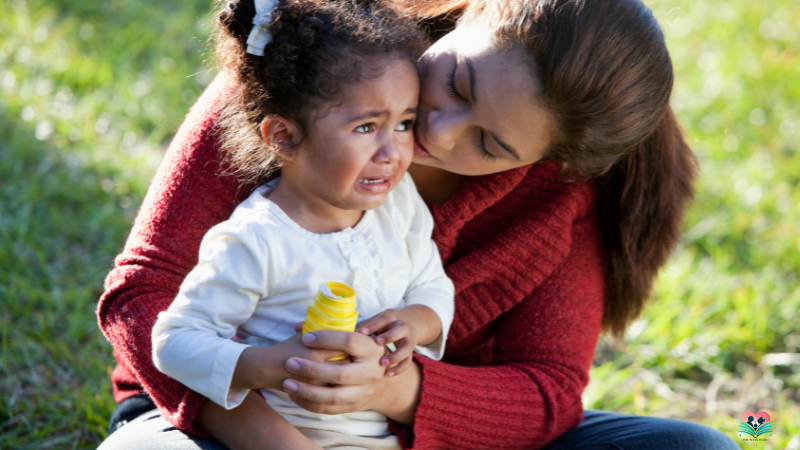
Tantrums often feel overwhelming, especially when they happen in public or during busy moments. However, these outbursts are not signs of bad behavior. They are signals that a child’s emotional system is overloaded.
Toddlers experience strong emotions without having the language or brain development needed to manage them. Their prefrontal cortex, the part responsible for emotional control, is still developing. When frustration, hunger, fatigue, or overstimulation occurs, emotions spill out quickly.
Rather than viewing tantrums as something to “stop,” it helps to see them as moments of learning. Each meltdown is an opportunity to teach emotional awareness, self-regulation, and coping skills.
Parents who respond calmly help children feel safe, even when emotions feel chaotic. Over time, this consistent response reduces the frequency and intensity of tantrums.
Toddler tantrums are closely linked to emotional brain development, and pediatric experts explain that young children lack the neurological ability to self-regulate strong emotions.
Tantrums typically peak between ages 1 and 4. During this time, children experience rapid brain development, increased independence, and limited communication skills.
As toddlers learn to assert themselves, they also encounter limits. This combination of desire and restriction often leads to frustration. When children lack the ability to verbalize emotions, behavior becomes their language.
Common triggers include tiredness, hunger, transitions, overstimulation, and feeling misunderstood. Recognizing these triggers allows parents to anticipate and reduce meltdowns before they escalate.
The tantrum tamer philosophy is built on emotional safety, consistency, and guidance rather than fear or punishment. It emphasizes teaching over controlling.
At its core, this method encourages parents to remain calm, validate feelings, and set clear boundaries. Children learn that emotions are acceptable, but certain behaviors are not.
When parents stay regulated, children mirror that calm. This approach also helps children develop long-term emotional skills that benefit them beyond early childhood.

Remaining calm during a meltdown is often the hardest part for parents. When emotions rise, the body’s stress response activates, making it tempting to react impulsively.
Taking a deep breath, lowering your voice, and grounding yourself physically helps signal safety to your child. Your calm presence reassures them that they are not alone in their feelings.
It also helps to remember that tantrums are temporary. The goal is not to end the behavior immediately, but to support emotional recovery.
During a tantrum, logic and reasoning rarely work. The child’s brain is in an emotional state, not a thinking one.
Instead of correcting behavior, focus on connection. Get down to your child’s level, speak softly, and acknowledge their feelings without judgment.
Simple phrases like “I see you’re upset” or “I’m here with you” can help your child feel understood. Physical comfort, such as a gentle hug if welcomed, can also help regulate emotions.
Once calm returns, gentle guidance and redirection become more effective.
Understanding patterns helps parents prevent tantrums before they start. While not all meltdowns can be avoided, many can be reduced with proactive strategies.
| Trigger | Why It Causes Tantrums | Prevention Strategy |
| Hunger | Low blood sugar affects mood | Offer regular snacks |
| Fatigue | Reduced emotional control | Maintain consistent routines |
| Transitions | Feeling out of control | Give warnings before changes |
| Overstimulation | Sensory overload | Create calm environments |
Identifying these patterns allows parents to adjust schedules, routines, and expectations to better support emotional balance.

The most valuable learning happens after emotions settle. This is when children are receptive and able to understand guidance.
Parents can help children name emotions, practice problem-solving, and learn alternative behaviors. For example, teaching words like “frustrated” or “sad” empowers children to express feelings verbally next time.
Role-playing calm responses and praising emotional effort reinforces learning. Over time, children gain confidence in managing big emotions independently.
Early childhood development specialists emphasize that naming emotions and modeling calm responses help children build long-term self-regulation skills.
Traditional discipline often focuses on punishment, which may stop behavior temporarily but does not teach emotional skills. Children may comply out of fear rather than understanding.
Guidance-based discipline focuses on teaching boundaries with empathy. It reinforces expectations while supporting emotional growth.
This approach builds trust and encourages children to internalize healthy behavior rather than react to external consequences alone.
Parents do not have to navigate tantrums alone. Structured guidance can provide reassurance, clarity, and consistency.
Resources like the How to Help Newborn Sleep Ebook Guide help parents establish calming routines early, which reduces emotional dysregulation as children grow. Similarly, The Calm Parent Playbook Ebook offers step-by-step techniques for maintaining emotional balance during challenging parenting moments.
These tools reinforce the importance of preparation, consistency, and emotional awareness.
Consider a toddler who melts down during grocery shopping. Instead of reacting with frustration, the parent kneels down, acknowledges the feeling, and offers a simple choice.
By validating emotions and providing limited options, the child feels seen and regains a sense of control. Over time, repeated experiences like this reduce public meltdowns.
Consistency transforms tantrums into teachable moments rather than power struggles.

| Age Range | Typical Tantrum Frequency | Development Focus |
| 1–2 years | Frequent | Emotional expression |
| 2–3 years | Peak | Independence & control |
| 3–4 years | Moderate | Emotional understanding |
| 4–5 years | Decreasing | Self-regulation |
This progression shows that tantrums naturally decline as children gain emotional skills.
For parents who want structured guidance and consistency, having a clear framework can reduce daily emotional stress.
While tantrums are normal, excessive or intense meltdowns may signal underlying challenges. If tantrums involve self-harm, aggression, or persist beyond developmental norms, professional guidance may help.
Pediatricians, child psychologists, or parenting coaches can offer personalized strategies tailored to your child’s needs.
Parents who want deeper insight can explore related resources such as Tantrum Tamer Method to Stop Toddler Meltdowns and Temper Tamers Method to Stop Meltdowns Fast. These guides expand on emotional regulation techniques and real-world applications.
Learning multiple approaches helps parents stay flexible and confident.
The tantrum tamer mindset empowers parents to respond with calm confidence rather than frustration. By focusing on emotional development, parents help children learn skills that last a lifetime.
Tantrums are not failures. They are stepping stones toward emotional maturity when handled with patience, empathy, and consistency.
Taming a tantrum starts with staying calm and emotionally present. When a child is overwhelmed, their brain cannot process logic or discipline. Parents should first ensure safety, then acknowledge the child’s feelings without judgment. Speaking softly, lowering yourself to the child’s eye level, and offering reassurance helps regulate emotions. Once calm returns, gentle guidance and teaching emotional language reinforces long-term self-control.
Tantrums are most common between the ages of 1 and 4. This stage involves rapid brain development, limited communication skills, and growing independence. Children experience strong emotions without having the tools to manage them effectively. As language and emotional regulation skills improve, tantrums naturally decrease. Consistent parental responses help shorten this developmental phase.
Effective discipline focuses on guidance rather than punishment. During a tantrum, prioritize emotional safety instead of consequences. After the tantrum, calmly reinforce boundaries and teach acceptable behaviors. This approach helps children understand expectations while feeling supported. Consistency, empathy, and clear limits work better than harsh discipline in shaping long-term behavior.
Many parents prefer terms like emotional outburst or emotional overwhelm. These phrases reflect what children are actually experiencing rather than labeling behavior as negative. Using supportive language encourages empathy and understanding. It also helps parents stay calm and focused on teaching emotional regulation rather than reacting emotionally.
Most Recent Guides for Parents: 1 Best Stress-Free Parenting says:
[…] great example is the Tantrum Tamer Method guide for parents, which emphasizes calm responses, emotional labeling, and […]
Baby Sleep Cues by Age: 1 Signs You’re Doing It Right or Not says:
[…] is similar to emotional overload patterns explained in the Tantrum Tamer Method guide for parents, where fatigue plays a major role in […]