
A tantrum discipline guide helps parents respond to emotional outbursts without yelling, punishment, or power struggles. The key is understanding why tantrums happen and using calm, consistent strategies that teach emotional regulation.
When parents follow a clear tantrum discipline guide, they can reduce stress, prevent escalation, and help children learn healthier ways to express frustration.

Before learning how to manage tantrums, it helps to understand why they happen. Most toddler meltdowns are not intentional misbehavior. They are often a child’s way of expressing emotions they cannot yet control.
Children between the ages of 1 and 4 are still developing emotional regulation skills. According to the CDC toddler emotional development guidelines, emotional outbursts like tantrums are a normal stage of development as children learn to regulate feelings. Their brains are learning how to process frustration, disappointment, and overstimulation.
Some of the most common triggers include:
• Fatigue or hunger
• Overstimulation or noise
• Frustration from not being understood
• Desire for independence
• Sudden routine changes
When parents understand these triggers, discipline becomes more about guidance rather than punishment.
Parents who want deeper modern parenting strategies can also explore our guide on modern parenting techniques that actually work.
A tantrum discipline guide is not about controlling a child. It is about teaching emotional skills while maintaining boundaries.
Effective tantrum discipline focuses on three goals:
Unlike traditional punishment-based discipline, modern approaches encourage connection first and correction second.
This approach helps children build emotional intelligence while still learning appropriate behavior.
Tantrums evolve as children develop language and emotional awareness. Understanding these stages helps parents adjust their discipline strategies.
| Age Range | Typical Tantrum Behavior | Parenting Focus |
| 1–2 years | Crying, screaming, dropping to the floor | Comfort and simple redirection |
| 2–3 years | Kicking, throwing, yelling | Emotion labeling and boundaries |
| 3–4 years | Negotiating, arguing, and frustration | Teaching coping strategies |
You may notice tantrums peak around age two. This is why the “terrible twos” phase is widely discussed in parenting communities.
However, tantrums are actually a healthy sign that children are developing emotional independence.
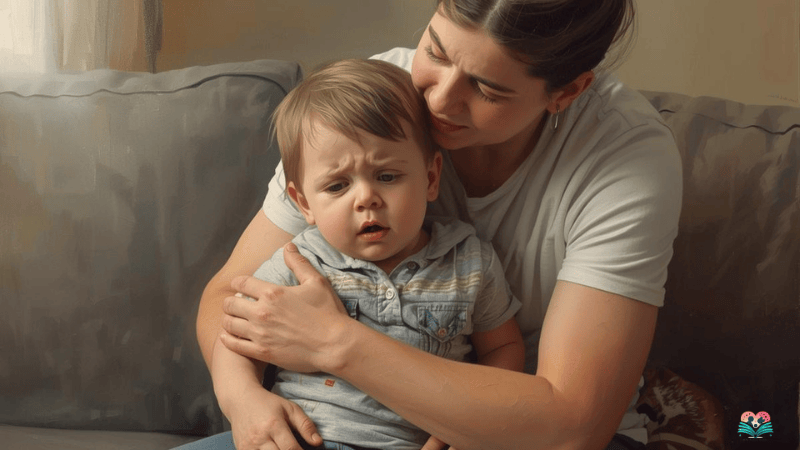
One of the most effective methods inside any tantrum discipline guide is calm parenting.
When parents remain calm, they help regulate their child’s nervous system.
Children mirror emotional energy. If parents react with anger or panic, the tantrum often becomes worse.
Here is a simple framework that works well.
Your reaction sets the tone.
Take a breath before responding. Lower your voice and avoid reacting emotionally.
Children often escalate when they sense stress or confrontation.
Instead of dismissing the tantrum, acknowledge the feeling.
Examples:
“I see you’re really upset.”
“You wanted the toy, and that feels frustrating.”
This validation helps children feel heard.
Acknowledging emotions does not mean giving in.
Example:
“I understand you’re upset, but we are not buying that toy today.”
Consistency is crucial. Giving in during tantrums can reinforce the behavior.
While tantrums cannot always be avoided, many can be prevented.
Parents who follow a structured tantrum discipline guide often reduce tantrum frequency significantly.
| Prevention Strategy | Why It Works |
| Maintain routines | Predictability reduces anxiety |
| Offer choices | Gives toddlers a sense of control |
| Prepare for transitions | Reduces sudden frustration |
| Watch for hunger or fatigue | Physical needs impact emotions |
For example, offering choices such as:
“Do you want the blue cup or the red cup?”
This simple strategy gives toddlers a sense of independence.

Once a tantrum starts, the focus should shift from discipline to emotional regulation.
Trying to lecture or reason with a child during a meltdown rarely works because the emotional brain is in control.
Instead, focus on these steps.
Children often calm down faster when they feel safe and supported.
Remain close without forcing interaction.
Too many words during a tantrum can overwhelm a child.
Short sentences work best.
Examples:
“I’m here.”
“You’re safe.”
After the tantrum ends, that is the moment to teach.
Children are more receptive to learning once emotions settle.
Many parents confuse discipline with punishment.
Discipline is meant to teach.
Punishment is meant to control.
Here is a helpful comparison.
| Punishment Approach | Discipline Approach |
| Yelling | Calm communication |
| Threats | Consistent boundaries |
| Immediate punishment | Emotional guidance |
| Fear-based reactions | Teaching self-control |
Modern parenting research continues to show that children learn emotional regulation through connection and modeling.
Parents interested in building calm routines may also benefit from learning gentle bedtime parenting strategies.

Certain reactions unintentionally reinforce tantrums.
Examples include:
• Giving in to demands
• Yelling or reacting emotionally
• Shaming the child
• Ignoring emotional needs
Children who feel misunderstood may escalate their behavior in an attempt to communicate their feelings. The American Academy of Pediatrics guide on toddler tantrums also explains that emotional meltdowns are part of early emotional development and should be handled with calm guidance rather than punishment.
A calm and structured tantrum discipline guide prevents this cycle.
Different families may prefer different approaches depending on parenting style.
However, the most successful tantrum strategies usually include:
✔ Emotional validation
✔ Clear boundaries
✔ Consistent responses
✔ Calm communication
Parents who want a structured step-by-step approach can explore resources like The Tantrum Tamer parenting guide, which focuses on decoding and preventing emotional meltdowns.
These tools can help parents build confidence when handling emotional challenges.
Small habits can make a big difference.
Here are practical techniques parents often find helpful.
• Narrate emotions during the day
• Praise calm behavior
• Practice patience during stressful moments
• Teach simple calming techniques like deep breathing
Over time, children learn emotional skills simply by observing how parents respond.
Consistency is far more powerful than perfection.
Following a clear tantrum discipline guide allows parents to turn difficult moments into learning opportunities.
Tantrums are not signs of failure in parenting. They are part of emotional development.
When parents stay calm, acknowledge emotions, and maintain boundaries, children gradually learn how to manage frustration in healthier ways.
With patience and consistent guidance, tantrums often decrease as emotional skills grow.
The best way to discipline a child having a tantrum is by staying calm and focusing on emotional guidance rather than punishment. During the tantrum, prioritize safety and emotional support rather than trying to correct behavior immediately. Once the child calms down, you can explain boundaries and teach better ways to express feelings. Consistency is important. When parents respond calmly and avoid giving in to demands, children gradually learn that tantrums are not effective ways to get what they want.
The best advice for tantrums is to respond with calm consistency instead of emotional reactions. Children often escalate when parents react with frustration or anger. Staying calm helps regulate the child’s emotions and reduces the intensity of the meltdown. It also helps to acknowledge the child’s feelings while still holding boundaries. Over time, this approach teaches children that emotions are valid, but certain behaviors are not acceptable.
The safest way to help a child recover from a tantrum is by helping them regulate their emotions rather than trying to abruptly stop the behavior. Offering comfort, reducing stimulation, or redirecting attention can sometimes help. However, the most effective strategy is patience. Allowing the child time to calm down and then guiding them toward problem solving helps them develop long-term emotional control.
Frequent emotional outbursts are completely normal for a 2-year-old because emotional regulation skills are still developing. Toddlers often experience frustration when they cannot communicate clearly or when they want independence but lack the skills to manage emotions. Tantrums at this age may involve crying, yelling, or throwing themselves on the floor. With consistent guidance and emotional support, these behaviors typically decrease as children grow and gain better communication skills.