
How to deal with public tantrums. Dealing with public tantrums requires staying calm, acknowledging your child’s feelings, and guiding them through the moment without escalating the situation. Quick, practical techniques like connection, distraction, and removal from overstimulation can stop tantrums faster and prevent future ones.
You’re in the middle of a grocery store, and suddenly your child is crying, yelling, or lying on the floor. Public tantrums can feel overwhelming and let’s be honest, a little embarrassing.
But here’s the reality: tantrums in public are completely normal. What matters is how you respond in the moment.
If you want a step-by-step system to prevent and handle tantrums confidently, explore MJ Family Reads’ proven solution.
Public tantrums usually happen because children feel overwhelmed and lack the skills to regulate their emotions in stimulating environments.
Common triggers include:
When kids lose control, it’s not intentional; it’s a skill gap. According to UNICEF, learning how to respond to tantrums in a supportive way helps children feel understood and reduces emotional outbursts over time.
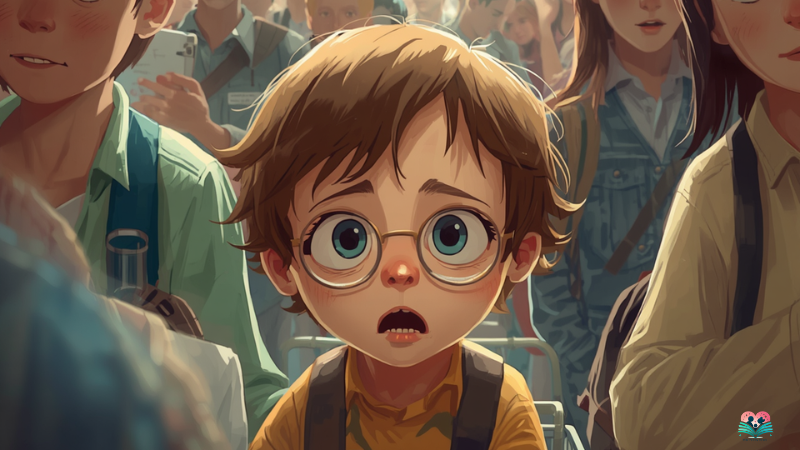
The fastest way to escalate a tantrum is to react emotionally. Children mirror your energy.
Instead:
Your calm presence signals safety and helps your child regulate.
Before correcting behavior, connect emotionally.
Try phrases like:
This helps your child feel understood, which often reduces intensity quickly.
Short, practical actions work best in public settings:
For more ready-to-use strategies.

If the environment is overwhelming, step away.
This gives your child space to reset without pressure.
Before going out:
Preparation reduces surprises, and surprises often trigger tantrums.
Children handle public settings better when their basic needs are met.
Focus on:
For smoother daily routines, explore more.
A small toy, snack, or favorite object can prevent emotional overload.
Think of it as a “tantrum prevention kit.”
This often intensifies the situation and prolongs the tantrum.
Children still need guidance and connection, even in difficult moments.
Giving in teaches that tantrums are effective, reinforcing the behavior.
Instead, guide calmly and consistently.
| Step | Action | Result |
| 1 | Stay calm | Prevents escalation |
| 2 | Acknowledge feelings | Builds connection |
| 3 | Offer a calming tool | Reduces intensity |
| 4 | Move to a quieter space | Helps reset |
| 5 | Guide behavior | Teaches control |
This simple flow helps you stay in control even in stressful situations.
Yes, they are a normal part of child development, especially in younger children.
If possible, yes. A quieter environment helps your child calm down faster.
Focus on slow breathing and remind yourself that the moment is temporary.
Not if it’s calm, supportive attention focused on guiding, not rewarding behavior.
Consistency, preparation, and teaching emotional skills are key.
Public tantrums don’t have to feel overwhelming. With the right approach, you can handle them calmly, confidently, and effectively, no matter where you are.
If you’re ready to stop reacting and start guiding your child through tantrums with ease, take the next step with MJ Family Reads.
Coloring Book for Teens and Adults: 30 Best Motivational says:
[…] And when family outings become less peaceful than planned, parents can also read this MJ Family Reads guide on how to handle public tantrums calmly and effectively. […]
Tantrum Tracker Workbook: 7 Days Spot Triggers and Patterns says:
[…] For practical ideas specifically for those situations, read How to Deal With Public Tantrums: Calm & Effective Strategies. […]